Every air conditioner has a size and a lifespan, and either one can quietly explain a summer of discomfort. Before you blame the weather or the thermostat, it helps to know whether your unit is undersized, aging, or simply overdue for service, because the answer changes what you should spend.
The Equipment Limits: Age and Size
An aging unit. Efficiency slides as compressors and coils wear, so the same comfort quietly costs more every summer. An undersized unit. A system too small for the load runs at full draw for most of the day, which is the most expensive way to buy cooling. If your summer bills have climbed for a few seasons in a row in Stratford, this pair belongs near the top of the suspect list, and neither problem is one a filter change can fix.
The Silent Efficiency Thieves
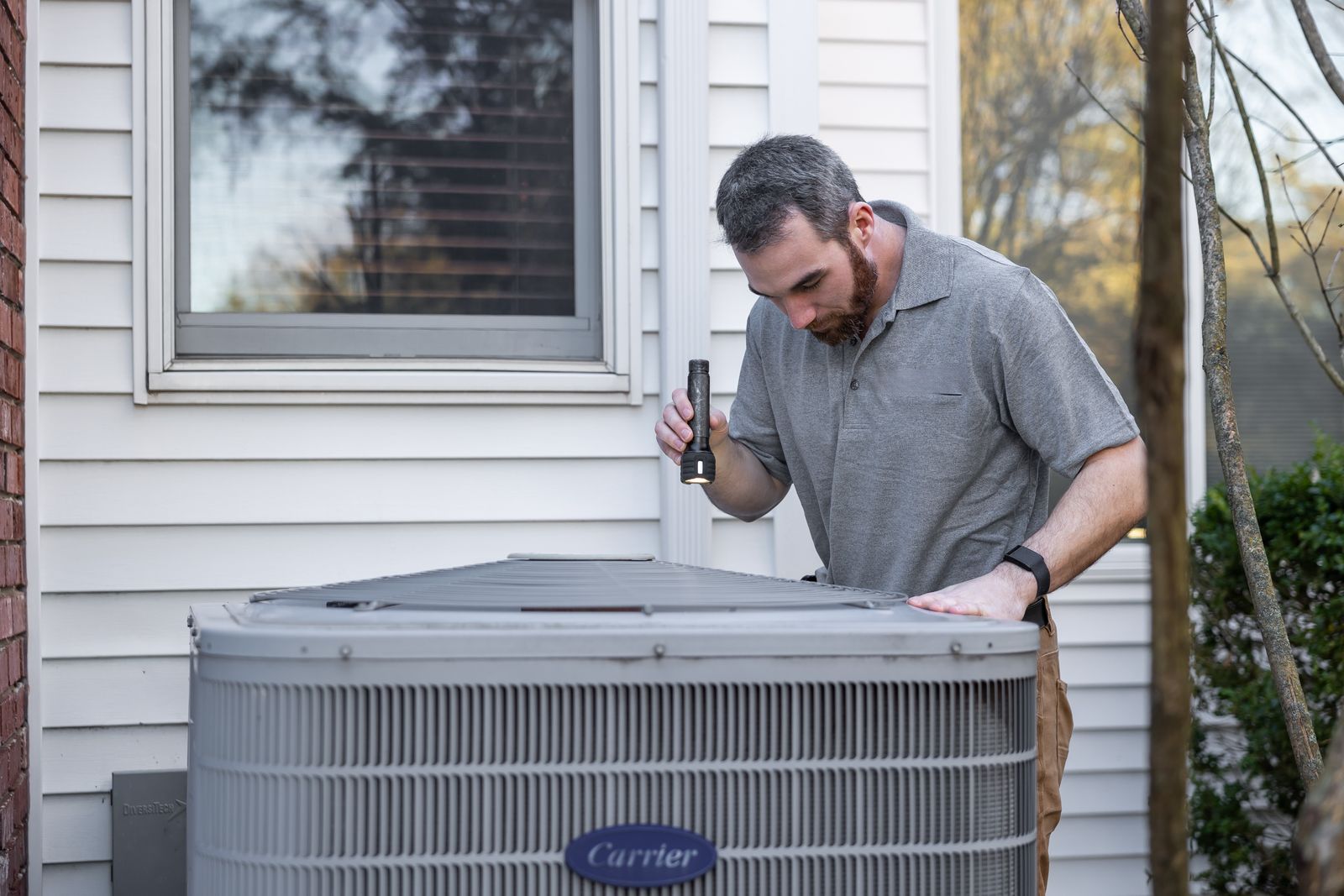
A clogged filter. A full filter can add hours of runtime per week by choking airflow, and checking it takes two minutes. Dirty coils. Dust on the indoor and outdoor coils slows heat exchange, so the system burns electricity while moving less heat than it should. A crowded condenser. The outdoor unit needs open space to dump heat; leaves, planters, and stored items pressed against it force longer cycles straight onto your hydro bill.
A Weekend Audit for Your Cooling Costs
- Compare bills, not memories. Pull last July's hydro bill and this July's side by side.
- Watch the meter on a mild day. Heavy cooling draw when it is not hot out means something is wrong.
- Feel the vents at 2 p.m. Weak, cool air is an airflow problem; steady air that is not cool enough points to refrigerant or coils.
Start With How an AC Actually Works
An air conditioner cools the air and removes moisture from it in the same breath. Ontario summers supply plenty of both heat and humidity, which is why a system that feels fine in June can fall behind by late July. It is rarely a sudden failure; it is a load problem, and load problems come from a handful of common sources.
Moisture is the part people forget. In a humid climate, dehumidifying is the difference between a house that reads cool and a house that feels comfortable, so it deserves a closer look.
Refrigerant, the Building, and the Fix
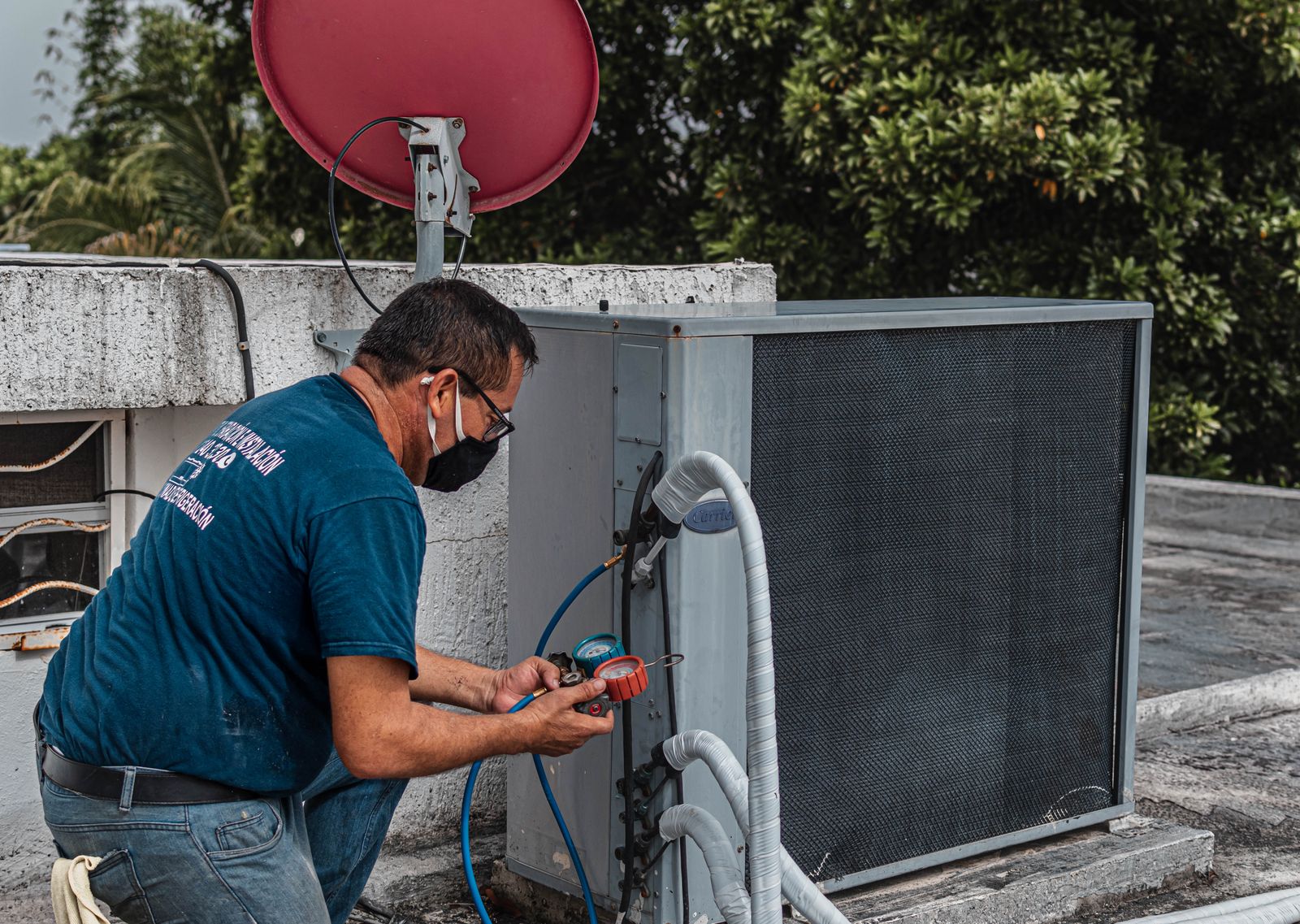
Low refrigerant. A slow leak stretches every cycle and can eventually damage the compressor. Poor insulation and air leaks. Warm, humid air leaking in through the attic, windows, and doors adds load the equipment was never meant to carry; sealing gaps and adding insulation can genuinely change how the system performs.
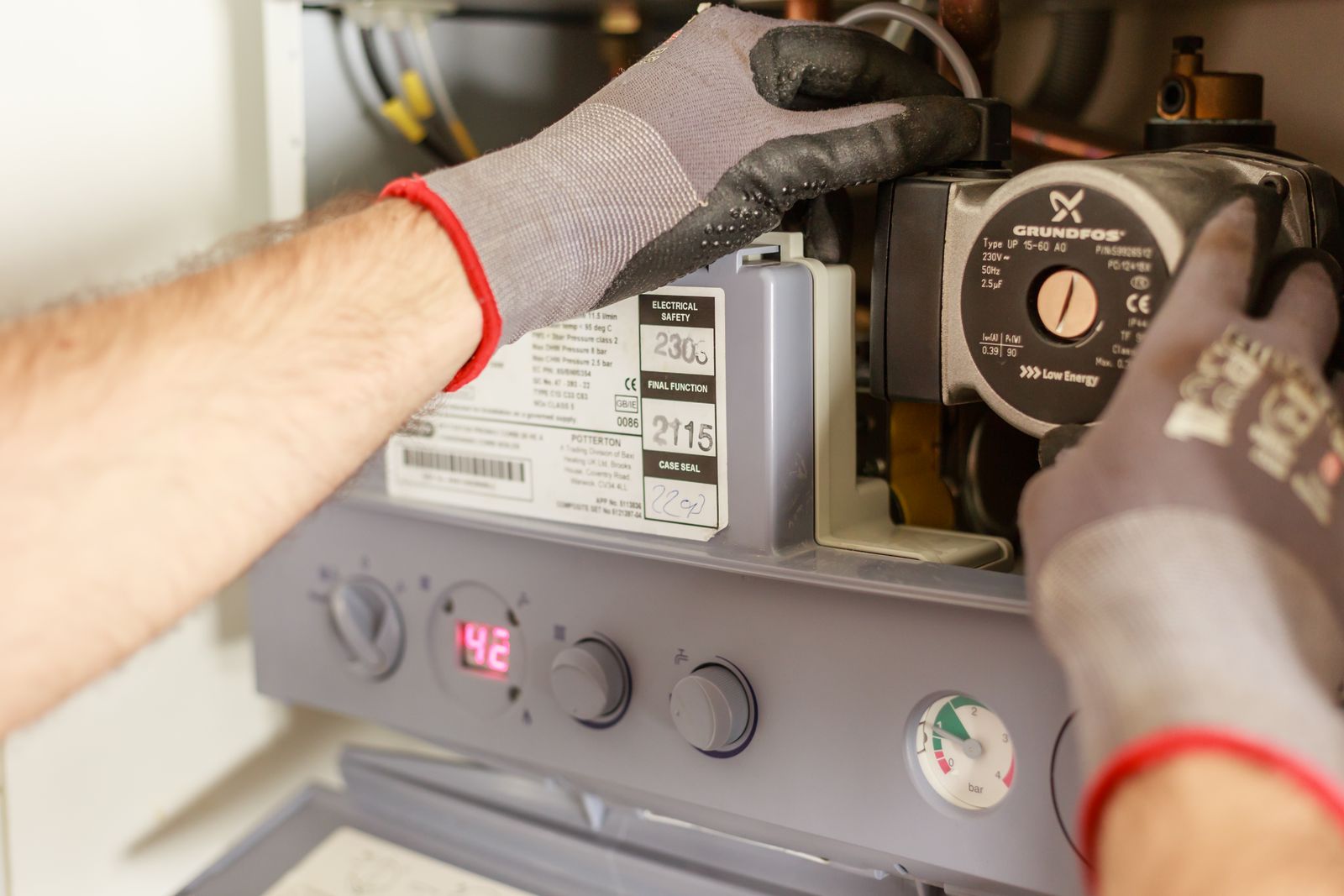
When Stratford Heating & Cooling services a system, the visit covers the full chain: pressure-testing the charge, cleaning the coils, measuring airflow, and confirming the unit is sized for the home as it stands today.