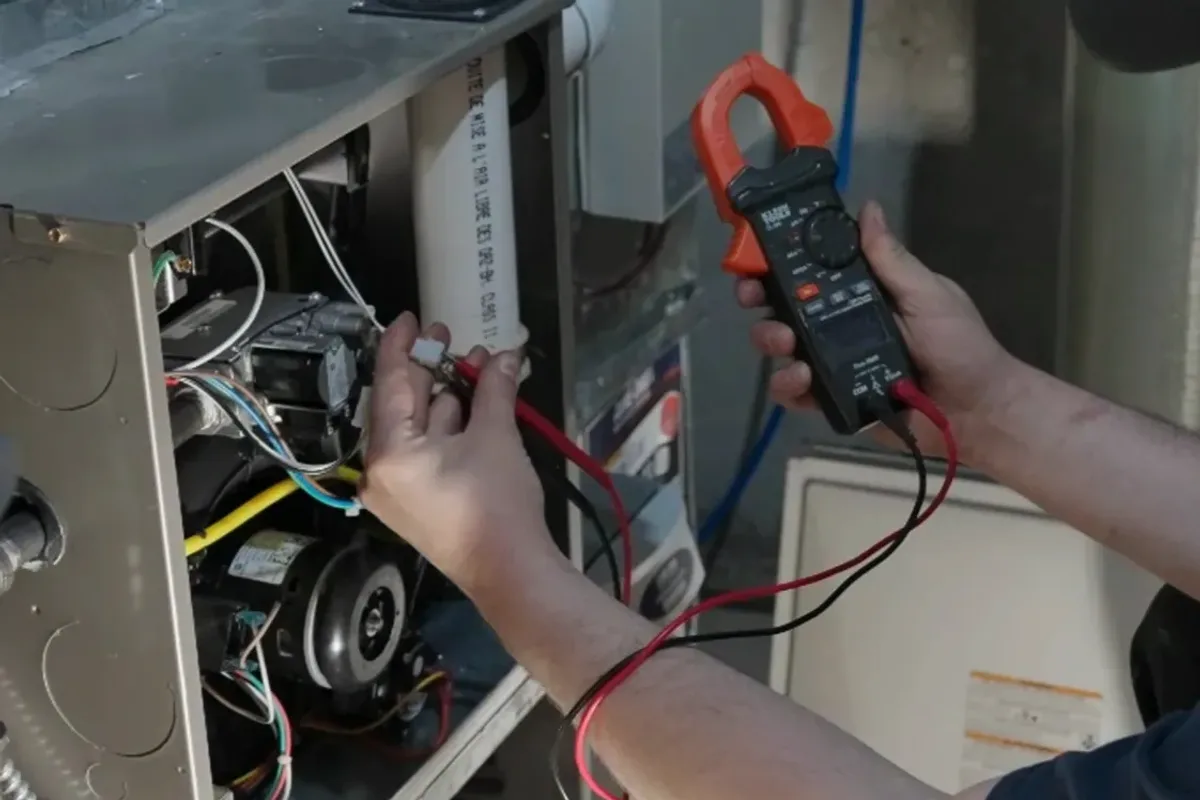
Request furnace repair for a property in Stratford. Include the equipment, the problem or planned work, and your location so the request can be reviewed.
What should I note before requesting furnace repair?
Furnace repair begins by identifying what the system is doing and which components could explain it. A failed start, uneven heat, a booming burner, scraping blower, or rattling duct can point to different faults, so observations help narrow the inspection. Gas, propane, and oil equipment also differ in fuel delivery and combustion components. Repair decisions should follow the diagnosed fault and the furnace’s condition, rather than assuming every symptom calls for the same part or a replacement.
Describe whether the furnace starts, how the sound or heating problem changes during a cycle, and which rooms are affected. If available, note the fuel type, model, service history, and any displayed fault code. These details help distinguish a burner or ignition concern from airflow, blower, thermostat, or duct-related issues before repair options are considered.
Gas, propane, and oil furnace repair
No-start, noise, and uneven-heating diagnosis
Airflow, burner, thermostat, and repair-versus-replacement assessment
Assessment and Scope
Questions for the Proposed Work
01
Separate burner and ignition symptoms from airflow faults
A furnace that does not light or shuts down differently from one that runs while rooms remain cool. For gas, propane, or oil equipment, inspection can focus on the relevant fuel and ignition components; uneven heat may instead involve airflow, a filter, blower, or duct restriction. A booming burner, scraping sound, or new rattle is worth describing precisely because its timing and location help guide diagnosis.
02
Use maintenance findings to guide the repair decision
Inspection findings may include airflow condition, filter fit, burner operation, thermostat response, and the condition of key components. The manufacturer’s instructions and observed condition determine what maintenance is appropriate; a routine checklist does not establish that every part needs service. If a fault is found, ask how it relates to the reported symptom and whether repair addresses the cause or only one visible effect.
03
Compare repair with replacement using condition and records
A repair assessment should identify the failed component, the state of the rest of the furnace, and whether suitable parts remain available. Compare that information with the unit’s age, prior repair history, and the scope of any proposed replacement. A single repair is not automatically a reason to replace equipment, while repeated faults or major deterioration may change the comparison. The diagnosed condition, not a fixed age cutoff, should guide the decision.
Compare the next step
Show the service route and any enclosure around the appliance before a repair visit. Ask what access must remain for routine filter care and professional assessment, and whether planned storage or cabinetry conflicts with it. The finished arrangement should support future inspection instead of addressing only the current repair.
Leave burner, fuel, venting, electrical, and internal equipment work to a qualified contractor. Do not bypass a safety switch or repeatedly reset a furnace.