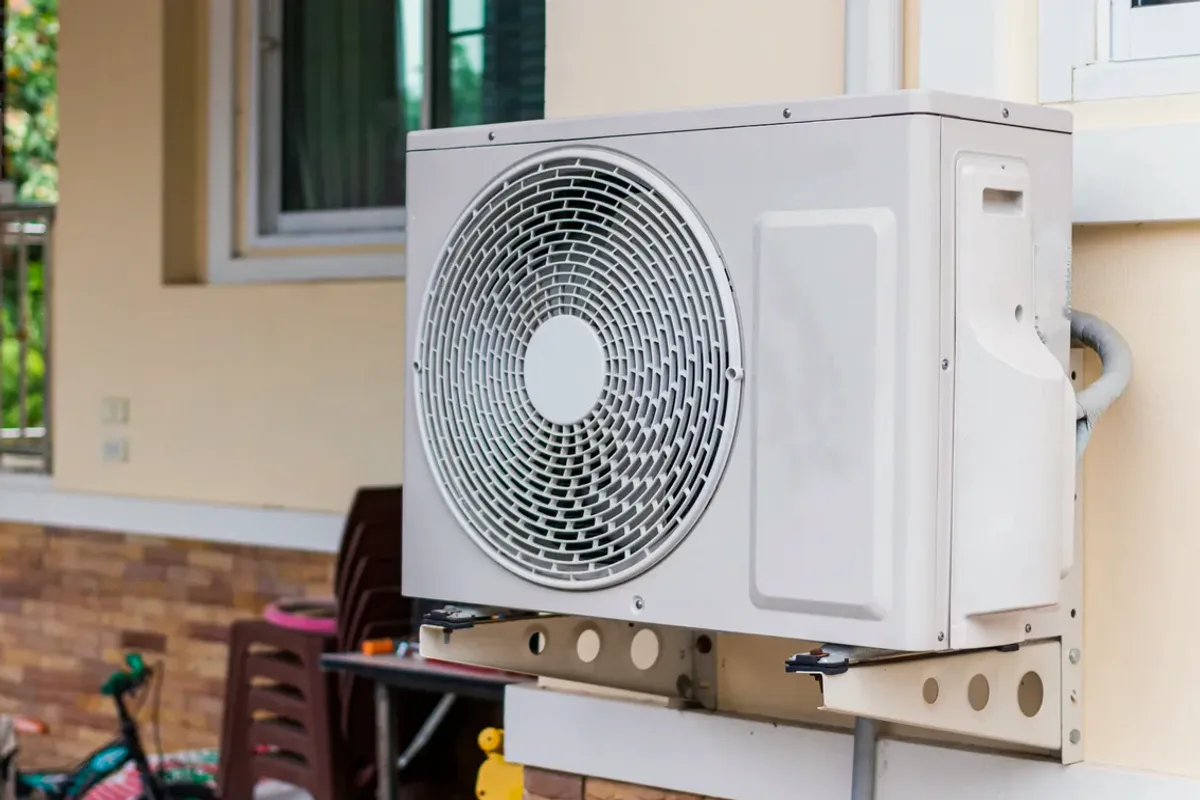
Request heat pump repair & installation for a property in Stratford. Include the equipment, the problem or planned work, and your location so the request can be reviewed.
How can I tell what information matters for a heat pump assessment?
Heat pump service can involve repair of an existing system or planning for a replacement, and those are distinct scopes. A unit that will not heat, cools unevenly, short-cycles, trips a breaker, or has a frozen outdoor coil needs diagnosis before a remedy is chosen. Reversing-valve, electrical, airflow, and refrigerant-circuit faults require different assessments. For a proposed installation, the existing distribution, property requirements, and compatibility of the selected equipment matter.
Note whether the problem occurs in heating, cooling, or both modes, and whether it affects all zones or one indoor unit. Record unusual sounds, visible outdoor-coil conditions, displayed codes, and the timing of any breaker trip without repeatedly resetting it. Model details and service history help distinguish a control or airflow issue from a reversing-valve, compressor, or refrigerant-circuit concern.
Heat pump heating and cooling fault diagnosis
Reversing-valve, electrical, airflow, and refrigerant-circuit issues
Ductless or cold-climate installation and repair-versus-replacement assessment
Assessment and Scope
Questions for the Proposed Work
01
Use operating symptoms to focus repair diagnosis
A heat pump that cannot change between heating and cooling may require assessment of its reversing valve or controls, while weak airflow can point toward a different part of the system. A frozen outdoor unit, short cycling, or an electrical trip also needs investigation rather than repeated resets. Refrigerant leaks and internal electrical faults require qualified assessment. The operating mode, timing, and affected zones help establish which diagnostic path is relevant.
02
Assess installation around the property and distribution
A replacement assessment should consider the property’s heating and cooling requirements, existing ducted or ductless arrangement, electrical provision, and equipment compatibility. Cold-climate models and ductless systems are distinct options, not interchangeable labels; the intended application and manufacturer specifications matter. Discuss which spaces need service and what existing equipment or distribution will remain. This information shapes selection and installation scope without assuming a particular model or capacity.
03
Compare a defined repair with full replacement
When diagnosis identifies a repairable component, consider the fault, the condition of the compressor and other major parts, parts availability, and the unit’s repair history. A compressor failure or extensive deterioration may make full replacement worth comparing, but the decision depends on the specific equipment and repair scope. Ask what evidence supports the recommendation and whether it concerns a single fault or broader system condition.
Compare the next step
Ask how outdoor placement supports year-round airflow, drainage, and inspection without obstructing service routes. Include landscaping and anticipated storage changes in that discussion. Inside, check access to filters, controls, and backup equipment so a new heat-pump installation does not make retained appliances harder to maintain.
Cold-climate capability does not prove that one model covers every home heating load. Ask how the selected equipment and supplementary heat meet the actual design requirements.